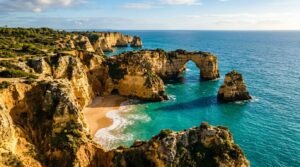
Yes — Portugal is one of the safest countries in Europe and the world. It ranked 7th on the 2025 Global Peace Index, holds a US State Department Level 1 travel advisory (the lowest possible rating, meaning “exercise normal precautions”), and general crime fell by 4.6% in 2024. For the vast majority of visitors, a trip to Portugal is smooth, warm, and completely trouble-free.
That said, “safe” is not the same as “risk-free.” Like any popular European destination, Portugal has its share of petty theft, tourist scams, and pressure points — especially in Lisbon and Porto during peak season. This guide tells you exactly what to watch out for, which areas to be more careful in, and how to travel smart so nothing derails your trip.
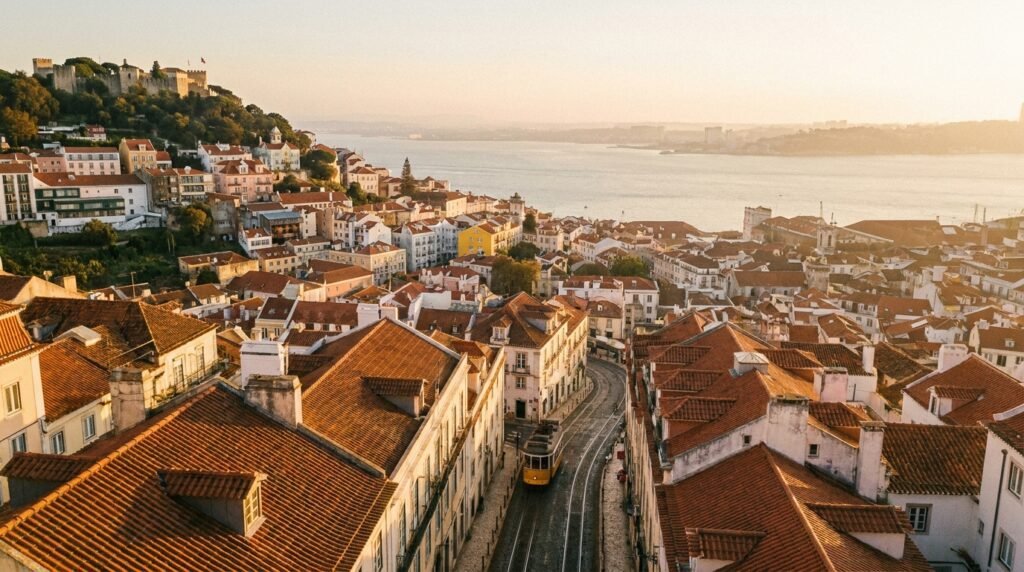
How Safe Is Portugal Compared to Other Countries?
Portugal’s safety record is genuinely impressive — not just by European standards, but globally.
According to the 2025 Global Peace Index, Portugal ranks 7th safest in the world, ahead of countries like Spain (25th), Germany, France, Canada, and the United States. The ranking is based on 23 indicators including crime rates, political stability, and societal security. Portugal has been climbing this list steadily since 2014, when it sat at 18th place.
On top of that, International Living named Portugal the world’s safest country for retirement in 2026, citing its low crime rates, stable society, and welcoming culture. The US State Department’s Level 1 advisory — the same rating given to countries like Japan and Switzerland — tells you that no special precautions are needed beyond standard common sense.
The bottom line: Portugal is safer than most places you’ve likely visited before.
What Are the Most Common Safety Issues for Tourists?
Here’s where honesty matters. Portugal is safe from violent crime — but petty theft and tourist-targeted scams are real, and they’ve increased alongside record tourism numbers in recent years.
Pickpocketing is the number one concern. Pickpockets operate in crowds where distraction is easy — on the famous Tram 28 in Lisbon, in Rossio Square, around the Alfama neighbourhood, at Porto’s metro stations, and along busy riverfront promenades. They typically work in pairs: one distracts you, the other takes your valuables. Incidents rose 12% in 2024, driven largely by the sheer volume of visitors.
Phone snatching is also increasingly common, particularly when tourists hold their phone out to take photos in busy areas.
Car break-ins happen at scenic viewpoints (miradouros) and parking areas near popular attractions. Never leave luggage visible in a parked car, especially rental cars that may have identifiable stickers.
Beyond theft, the scams tourists most commonly encounter include:
- Fake petition scam — someone approaches with a clipboard asking you to sign a petition, then demands a “donation”
- Gold ring trick — a stranger “finds” a ring on the ground and offers it to you, then demands payment
- Unofficial taxi touts — especially around Lisbon airport; unlicensed drivers overcharge significantly
- ATM fraud — some ATMs near tourist areas have skimming devices; stick to bank-branded machines
- Unsolicited services — someone offers help at a ticket machine, then demands money
- Restaurant bill padding — unrequested bread, olives, and snacks brought to your table often appear on the bill; you can refuse them
The important context: these are annoyances and financial inconveniences, not dangers to your physical safety. Violent crime affecting tourists is extremely uncommon.
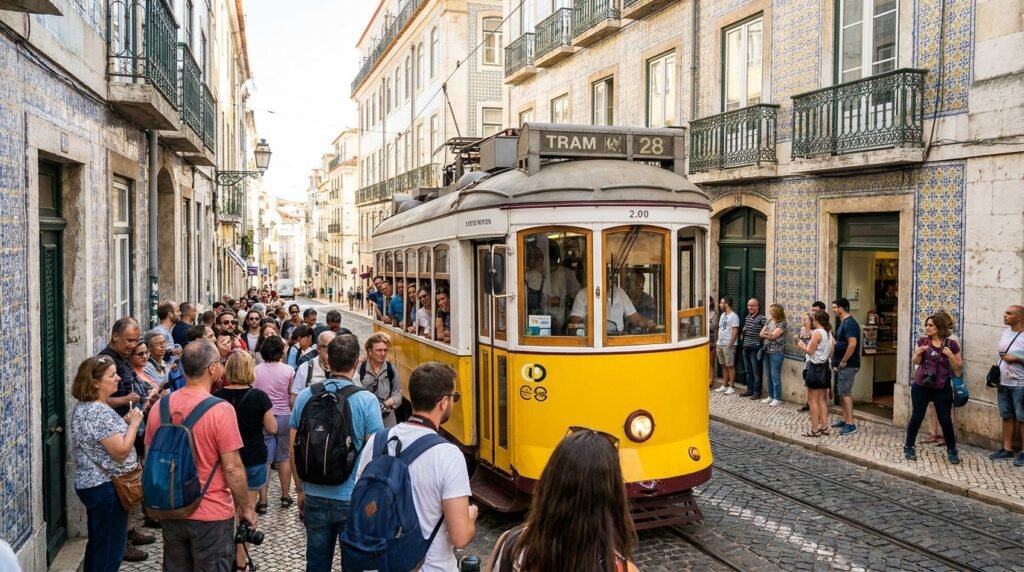
Is Lisbon Safe for Tourists in 2026?
Lisbon is generally very safe and is one of Europe’s most walkable and accessible capitals. Most tourists spend days wandering its hills and neighbourhoods without any issues at all.
The areas that warrant a little more awareness:
Baixa and Rossio — the city centre is packed with tourists and therefore pickpockets. Keep your bag in front of you and your phone in your pocket.
Alfama — romantic and beautiful, but the narrow alleys and crowded tram stops attract opportunistic thieves. Visit, absolutely, but stay alert.
Bairro Alto and Pink Street — Lisbon’s nightlife zone is lively and fun, but the crowds and narrow lanes provide cover for pickpockets, and some bars are known for overcharging tourists. Check your bill carefully.
Cais do Sodré and Intendente — generally fine during the day; after midnight, stay aware of your surroundings.
For solo female travellers, Lisbon is widely considered one of Europe’s friendlier cities. Locals are genuinely helpful, harassment is uncommon, and the city is well-lit and walkable at night in most areas.
💡 PlacesToday Tip: Use Bolt or Uber instead of hailing taxis on the street in Lisbon. It’s cheaper, transparent on price, and eliminates any overcharging risk.
Is Porto Safe for Tourists in 2026?
Porto is considered slightly more relaxed than Lisbon when it comes to tourist pressure, and most visitors find it warm, easy to navigate, and genuinely welcoming.
The main areas to watch in Porto:
The metro and São Bento train station — busy transport hubs attract the same distraction-based pickpocket crews seen in Lisbon. Keep bags zipped and close when in crowds.
Ribeira (riverfront) — beautiful and highly touristy. Restaurants here occasionally add items to bills or push overpriced tourist menus. Ask for the local menu (ementa) and check prices before ordering.
Livraria Lello — Porto’s famous bookshop attracts resellers outside who mark up tickets significantly. Buy your ticket directly from the official website only. Overall, Porto feels safer and less hectic than Lisbon in peak season, and central areas are comfortable to walk in at night.
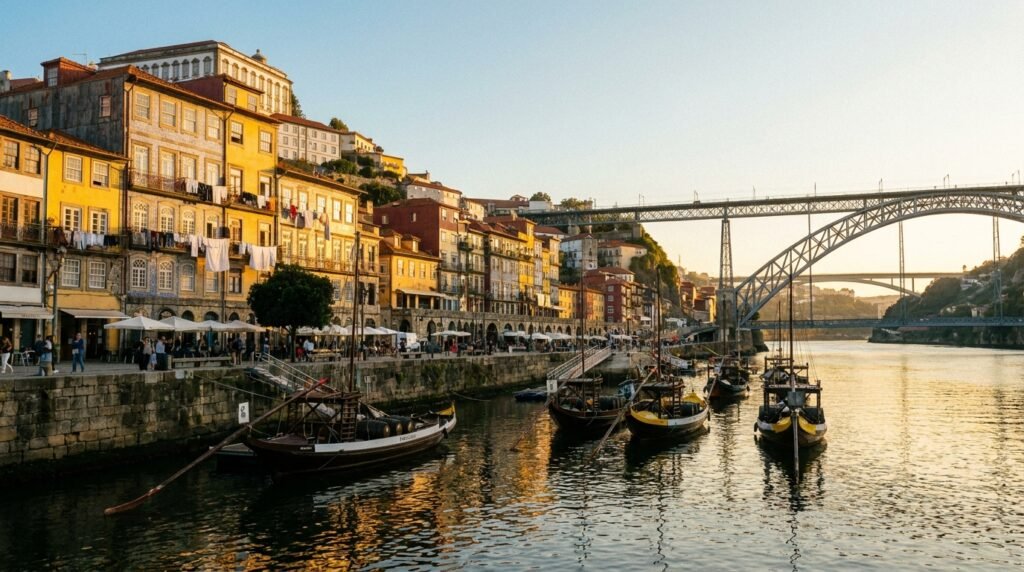
Is the Algarve Safe for Tourists in 2026?
The Algarve is Portugal’s most popular coastal region and, by the numbers, a very safe place to visit. Families, couples, and solo travellers all report overwhelmingly positive experiences.
The specific risks to know about:
Petty theft on busy beaches — don’t leave valuables unattended on the sand. Take only what you need down to the beach.
Car break-ins at coastal viewpoints — the cliff-top miradouros are gorgeous and absolutely worth visiting, but rental cars with visible luggage are targeted. Leave nothing in the car.
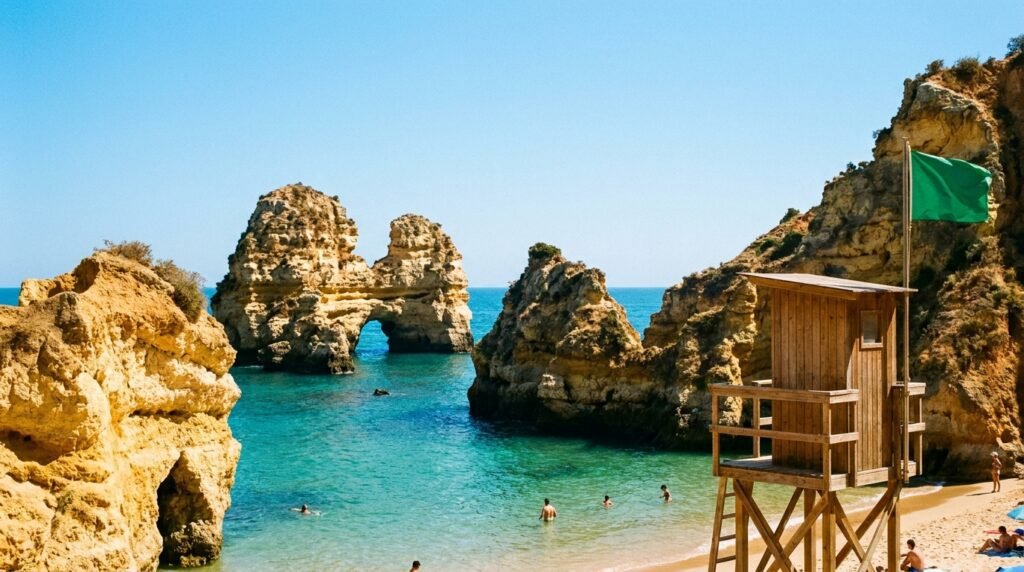
Water and cliff safety — this is a real risk that doesn’t get enough attention. The Algarve’s cliffs are dramatic and stunning, but cliff edges can be unstable and ocean currents can be powerful. Always swim at supervised beaches (look for the green flag), stay well back from cliff edges, and never enter sea caves when the tide is rising.
For families, the Algarve remains one of Europe’s safest and most family-friendly holiday destinations.
💡 PlacesToday Tip: Looking for a safe, hassle-free way to explore the Algarve’s hidden coastline? A guided boat tour removes all the navigation stress and gets you to the best sea caves and beaches safely. [Book an Algarve boat tour on GetYourGuide →]
Is Portugal Safe for Solo Female Travellers?
Yes — Portugal consistently ranks as one of the best European destinations for solo female travellers. Locals are famously warm and helpful, street harassment is genuinely uncommon compared to many European capitals, and cities are well-connected and walkable.
Standard smart-travel habits apply: stick to well-lit streets at night, use Uber or Bolt rather than unlicensed taxis, and trust your instincts in unfamiliar situations. Portugal gives you few reasons to feel uncomfortable, but common sense always matters.
Solo female travellers particularly love Porto and the Douro Valley for the relaxed, unhurried pace — and Sintra for a day trip that feels magical and safe.

What Are the Safest Areas to Stay in Lisbon?
Where you stay makes a difference, especially if it’s your first time in Lisbon.
Príncipe Real — one of Lisbon’s most elegant and quieter neighbourhoods. Boutique hotels, great restaurants, and a genuinely local feel. Excellent choice for couples and first-timers.
Chiado — central, walkable, and well-maintained. A little pricier, but safe and convenient.
Belém — slightly further from the centre but calm, beautiful, and home to some of Lisbon’s most iconic monuments. Great for families.
Mouraria — increasingly popular and largely safe, though it borders Intendente which can feel edgier at night. Fine for confident travellers, less ideal for first-timers.
Alfama — atmospheric but should be approached with awareness after dark, especially on quieter side streets.
Practical Safety Tips for Portugal in 2026
Here are the practical steps that make a genuine difference:
Before you leave:
- Register your trip with your country’s embassy (Americans can use the STEP program at step.state.gov)
- Get travel insurance that covers medical, theft, and trip cancellation — essential, not optional
- Photograph all important documents and store them in cloud storage separately from originals
On the ground:
- Use a crossbody bag that you keep in front of you in crowds
- Keep your phone in your pocket — not in your hand — when walking in busy areas
- Use ATMs attached to major Portuguese banks (Millennium BCP, Novo Banco, CGD), not standalone ATMs in tourist kiosks
- Take Uber or Bolt, not taxis hailed from the street, especially from Lisbon airport
- Confirm fares before getting into any taxi
- Check restaurant bills carefully, especially for items you didn’t ask for
On public transport:
- Hold your bag in front of you on the metro and on Tram 28
- If someone tries to distract you, immediately check your pockets
- Keep your phone in your pocket between stops
At the beach and cliffs:
- Swim only at supervised beaches with a green flag flying
- Stay at least 5 metres back from cliff edges at all times
Never enter sea caves when the tide is turning
What About ETIAS — Do You Need It for Portugal in 2026?
Yes, if you’re travelling from the US, UK, Canada, or Australia, you now need an ETIAS (European Travel Information and Authorisation System) authorisation before entering Portugal. This is a mandatory pre-travel requirement for non-EU citizens visiting Europe’s Schengen Area.
The process is straightforward and done entirely online — you apply, pay a small fee, and receive authorisation usually within minutes (though it can take up to 30 days in some cases). Apply at least a few weeks before your trip to be safe.
We’ve published a full ETIAS Portugal guide for 2026 covering exactly how to apply, costs, and common questions — [read it here →]
Frequently Asked Questions About Portugal Safety
Is Portugal safe for American tourists in 2026? Yes. The US State Department gives Portugal its lowest advisory level — Level 1 (“Exercise Normal Precautions”). It’s one of the most well-regarded destinations in Europe for American visitors, with excellent infrastructure, English widely spoken, and low violent crime rates.
Is Lisbon safe at night? Lisbon’s main tourist and restaurant areas are safe and lively at night. Use common sense in quieter back streets in Alfama and Bairro Alto after midnight, and use a ride-hailing app rather than walking alone through unfamiliar areas late at night.
What’s the biggest safety risk in Portugal? Pickpocketing in crowded tourist areas — especially on Tram 28 in Lisbon, in Rossio Square, and at Porto’s transport hubs. It’s an inconvenience, not a danger, and easily avoided with basic awareness.
Is Portugal safe for families? Absolutely. Portugal is considered one of Europe’s most family-friendly destinations. The Algarve in particular is set up perfectly for families, with calm beaches, excellent facilities, and a relaxed pace. Just observe water and cliff safety guidelines.
Do I need travel insurance for Portugal? Yes, always. While Portugal is safe, you want coverage for medical emergencies, theft, and trip disruptions. EU visitors benefit from the EHIC card for healthcare, but non-EU visitors (Americans, British, Canadians) should buy comprehensive travel insurance before departing.
Is it safe to rent a car in Portugal? Yes — Portugal’s roads are modern and well-maintained. Just be aware of car break-ins at scenic viewpoints. Never leave valuables visible in a parked rental car.
Is Portugal safe for solo female travellers? Yes — it’s consistently rated one of the safer European destinations for solo female travel. Locals are friendly and helpful, harassment is uncommon, and cities are well-lit and walkable.
The Verdict: Should You Visit Portugal in 2026?
Without hesitation — yes. Portugal is one of Europe’s genuinely great travel destinations, and its safety record is a real asset, not just marketing copy. The 7th safest country in the world is not a title you earn by accident.
Go in with realistic expectations: stay alert in crowded areas, keep your bag close on public transport, and use ride-hailing apps instead of street taxis. Do those simple things and the biggest risk you’ll face in Portugal is falling so in love with it that you never want to leave.
Ready to plan your trip?
Tell our AI travel planner where you want to go, what the occasion is, and we’ll build you a personalised Portugal itinerary in minutes — with real restaurant recommendations, hand-picked hotels, and direct booking options.
👉 [Start planning your Portugal trip →]
Or browse our destination guides:
- [Lisbon Travel Guide 2026 →]
- [Porto Travel Guide 2026 →]
- [Algarve Guide 2026 →]
- [Sintra Day Trip Guide →]
Last updated: June 2026. Portugal’s official travel advisories are maintained by the US State Department (travel.state.gov), the UK Foreign Office (gov.uk/foreign-travel-advice), and the EU’s Re-open EU platform.